
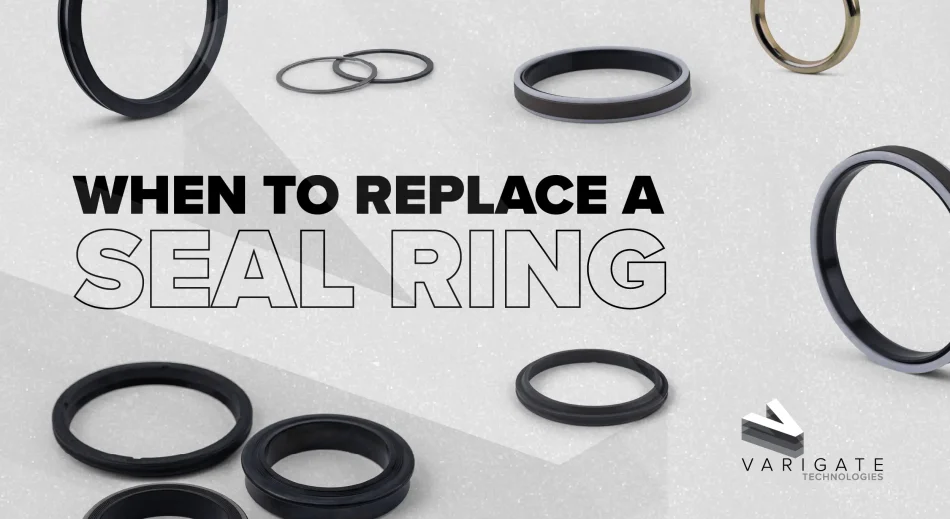
What Are Seal Rings Used For?
Seal rings are critical components in mechanical systems, designed to create barriers that prevent fluids, gases, or contaminants from escaping or entering. Positioned within grooves or glands, they are compressed between surfaces to form a secure seal. In both static and dynamic applications, seal rings maintain pressure, control leakage, and protect equipment from premature wear. Since they operate under demanding conditions, selecting the right type of seal is essential to long-term performance and reliability.
Varigate provides a wide range of sealing solutions to meet these needs, including:
- Backup Rings: Supporting primary seals in high-pressure environments, backup rings prevent O-rings and other seals from extruding into clearance gaps. This extends seal life and ensures consistent system performance.
- O-Rings: O-rings are valued for their versatility. They are available in materials such as Nitrile, FKM, HNBR, Silicone, and FFKM, for use in both static and dynamic applications to deliver sealing across diverse operating conditions.
- U-Cups: Designed for use in rod and piston applications, U-cups are dependable seals in hydraulic and pneumatic systems. They are offered in both unloaded and loaded styles. U-Cups adapt well to different pressure demands while ensuring effective sealing.
- T-Seals: Known for their stability in high-pressure systems, T-seals are double-acting seals that serve both rod and piston applications. Their design reduces the risk of rolling and extrusion, making them a reliable option for demanding environments.
- Spring-Energized Seals: Built with an internal spring, these seals maintain lip contact, even under challenging operating conditions. They deliver consistent performance in applications with extreme pressure, temperatures, or chemical exposure.
When to Replace a Seal Ring: Warning Signs of Seal Failure
Seal rings rarely fail without warning. Instead, they show gradual signs of wear that, if overlooked, can lead to performance issues, costly downtime, or even damage to other components. Some of the most common indicators include:
- Visible Damage: Cuts, cracks, flattening, or other surface changes show the seal is no longer forming a proper barrier.
- Leakage: Even a small drip or trace of fluid around the sealing area points to reduced sealing integrity.
- Pressure Drops: Inconsistent or declining system pressure often signals that a seal has weakened.
- Heat Buildup: Unusual temperature increases, or friction can indicate seal misalignment or material breakdown.
- Operational Irregularities: Increased noise, vibration, or the need for frequent adjustments may be linked to seal failure.
Beyond these warning signs, proactive maintenance helps protect equipment and prevent issues from escalating. Inspections during service cycles can reveal subtle changes in seal shape or surface condition before a complete failure occurs. Monitoring the operating environment is also critical, as extreme temperatures, chemical exposure, or abrasive particles often accelerate wear. By keeping detailed maintenance records and addressing early signs promptly, operators can extend equipment life, improve safety, and maintain consistent system reliability.