
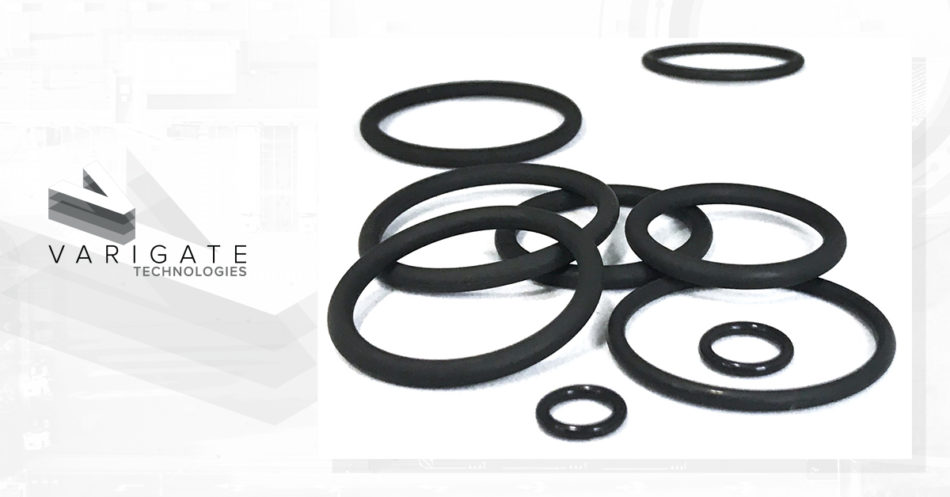
O-Rings can serve many purposes and functions across various applications and depending on the unique application variables it can be a challenge to choose the best elastomer for the job.
Different rubbers (Elastomers) often have trade-offs that are both helpful and hurtful in applications. For example, certain compounds are suitable in low temperature environments, but may not perform as well in high temperature applications. They perform well in Steam; however, in mineral oils, they have the potential to fail. It’s these give and take type challenges that many application engineers face regularly.
Choosing an appropriate material is often straight forward and obvious, but for those complex decisions it’s often the case where the choice of material is more about which is most suitable for the application. Today, more than ever before, engineers can develop compounds that will “survive” the harshest, most damaging environments possible. That ability brings cost and that plays a large part in the decision making and overall design of tools and equipment across all industries.
Chemical compatibility is just one of many variables that seal design teams need to consider. Other notable characteristics include but are not limited to temperature and the effects it has on the material, abrasion and the effects of heat and wear, extrusion and the impact of pressure and the material/seal stability, and as well the seals overall structural integrity.
As we determine the best material selection, it is important to realize that often we’re looking for the best-case scenario and as there tend to be unforeseen environmental considerations and characteristics that can influence the overall seal performance both in the long and short term.
While we all would love to have access to the magical one-fits-all elastomer, the reality is that does not exist. Despite the great leaps forward that compounds have made over the last several years, it is essential to understand that over time and through exposure to different environments all elastomers will lose their performance effectiveness and structural properties.
Some examples of considerations in certain applications are:
Fuel: A gallon of gasoline can have hundreds of hydrocarbons, trace metals, and additives. This along with variances in crude oil processing and changes in the fuel during storage make designing an effective fuel service seal challenging. Because of the number of variables, Seal Engineers are mainly concerned with Aromatic Content and the level of oxygenated additives within the product and therefore have to choose their seal compounds carefully.
Food & Beverage: The US FDA (Food & Drug Administration) has white listed materials acceptable for use in food and beverage seals. The materials must be both non-toxic and non-carcinogenic. Elastomers such as silicone, fluorocarbon, nitrile, ethylene propylene and chloroprene appear in the white listed materials. The National Sanitation Foundation (NSF) develops standards and certifying services along with testing of products. Once passed by NSF materials are certified and approved for use in F&B Applications.
Gas Permeation: Elastomers and plastics are permeable to liquids, gases and vapours. The permeability is important in determining the suitability of materials for specific sealing applications. With rapid decompression environments it is crucial to have an elastomer that is resistant to the effects of RGD.
Mining Industry: Throughout Western Canada, mining operations deal with high levels of vibration that can cause severe damage to equipment like centrifuges and structural damage to other key components. Elastomers that have strong physical integrity attributes are used as shock absorbers, vibration mounts and as noise reduction techniques. Instead of the chemical compatibility here, design engineers must focus on the strength of the materials.
Varigate Technologies wants to help you and your team with determining what materials would work best in your unique and individual applications. Contact us Today: https://varigatetech.com/contact/