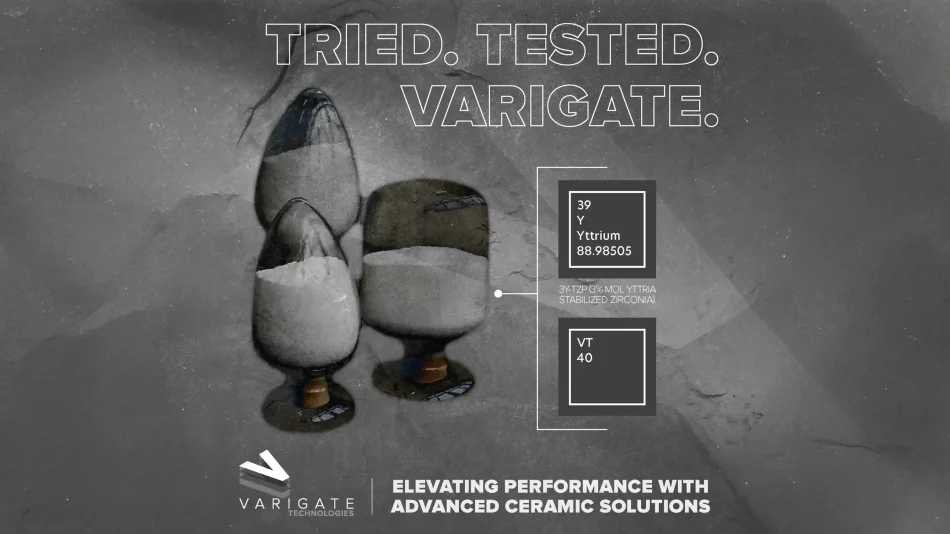
Ceramic materials are reshaping the future of industrial applications. These advanced components deliver unparalleled strength, durability, and reliability where it matters most. Varigate Technologies is dedicated to delivering innovative ceramic solutions that help industries overcome their toughest challenges. The company’s advanced ceramic materials, including 3YTZP HIP’d Zirconia and VT40, are engineered to outperform the competition in demanding environments.
What Are Ceramic Components and How Do They Perform in Industrial Applications?
Ceramic components are specialized parts made from engineered materials designed to withstand high temperatures, friction, and corrosive environments. These components are used in critical applications such as seals, valves, and pump parts, where durability and consistent performance are essential. Ceramic components are trusted across a variety of demanding industries. In the oil and gas sector, they are used for seals, valves, and pump parts, where high pressure and harsh chemicals require materials that do not wear down easily. Manufacturing facilities rely on ceramics for parts exposed to constant friction and heat, helping to extend equipment life and improve productivity. Other industries, such as mining, energy, and chemical processing, choose ceramic solutions for their resistance to corrosion and ability to perform in extreme conditions. No matter the application, advanced ceramics provide reliable performance and help minimize costly downtime.
What Are the Main Components of Modern Industrial Ceramics?
Modern industrial ceramics are produced from advanced materials such as 3% Molyttria Stabilized Zirconia (3Y-TZP), Zirconia Toughened Alumina (ZTA), Magnesia Stabilized Zirconia (MG PSZ), Silicon Carbide (SiC), Boron Nitride (BN), Alumina (Aluminum Oxide), as well as Non-Hipped and Hipped Zirconia. Each of these compounds is chosen for its unique combination of strength, toughness, resistance to heat, and protection against corrosion. Manufacturers can further refine these materials through custom blending and precise engineering, tailoring properties for demanding applications involving high pressure, extreme temperatures, or abrasive conditions. These specialized ceramics form the foundation of reliable, long-lasting performance in today’s industrial environments.
How to Clean and Maintain Ceramic-Coated Exhaust Components
Keeping ceramic-coated exhaust components clean and well maintained is important for preserving their performance and extending their lifespan. Regular care also helps prevent buildup that can affect both appearance and function. Follow these tips for proper cleaning and maintenance:
- Allow the exhaust to cool completely: Never attempt to clean exhaust parts while they are still hot. Let all components reach room temperature before you begin, as this helps prevent burns and protects the ceramic coating from thermal shock.
- Wash with mild soap and water: Use a soft cloth or sponge with soap and water. Gently clean the surface to remove dust, dirt, and road debris. This basic step is usually enough to keep the ceramic coating looking fresh.
- Avoid abrasive materials and harsh chemicals: Stay away from abrasive scrubbers, steel wool, or strong chemicals. These can scratch, dull, or even break down the ceramic layer, reducing its effectiveness and shortening its service life.
- Use a ceramic-safe cleaner for stubborn buildup: If you notice stains or buildup that do not come off with soap and water, choose a cleaning product specifically made for ceramic surfaces. Always follow the manufacturer’s directions and test a small area first.
- Rinse thoroughly with clean water: After cleaning, rinse all parts with clean water to remove any soap or cleaner residue. Leftover cleaning agents can cause spots or affect the coating over time.
- Inspect regularly for signs of wear or damage: Look for chips, cracks, discoloration, or other changes in the coating. Early detection of wear helps you address small issues before they become bigger problems.
- Address any damage promptly: If you notice damage or excessive wear, consult a professional or the manufacturer for advice on repair or recoating. Acting early helps maintain the protective benefits of the ceramic layer.
Why Choose Ceramics? Key Advantages Over Traditional Materials
Ceramics stand out because they combine resistance to wear, corrosion, and heat in a way that traditional materials often cannot match. Unlike metals, ceramics do not rust or weaken when exposed to harsh chemicals, so equipment remains reliable even in tough environments. These materials also maintain their strength at high temperatures, making them ideal for demanding industrial applications. Since ceramic compounds can be tailored for specific needs, businesses gain parts that deliver dependable performance and long-lasting durability where it matters most.
Ready to Elevate Your Operations? Contact Varigate Technologies Today
Advanced ceramic components offer reliable performance and extended service life in the most demanding industrial environments. Varigate Technologies delivers a wide selection of engineered ceramic materials designed to reduce maintenance, improve equipment longevity, and maintain consistent operation. For application-specific recommendations request a quote or contact Varigate Technologies. The team provides detailed product information and responsive support for projects of any size.