
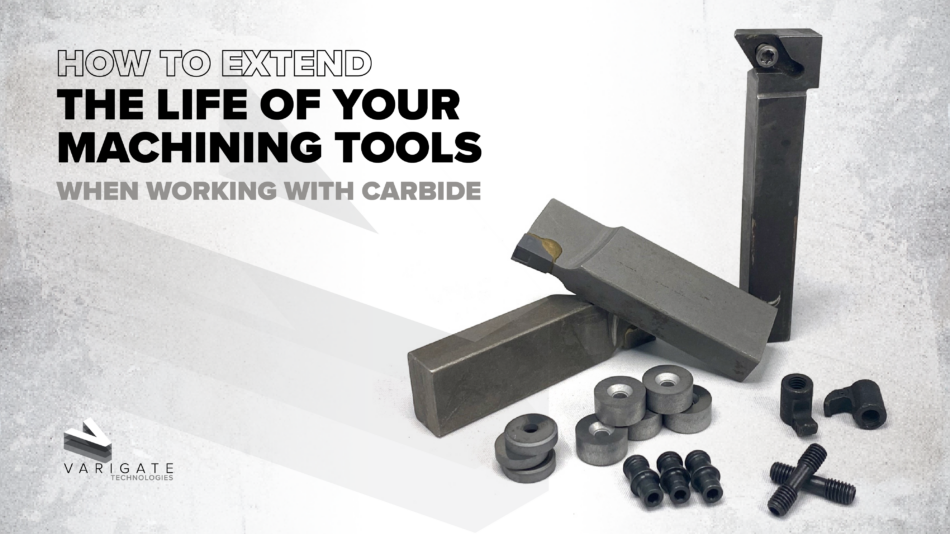
Carbide is a highly durable and wear-resistant material, valued across industries for its strength and precision. Carbide ranges from 4.0 to 6.0 on the Mohs scale, placing it among the hardest materials found in industrial applications. However, that same toughness can place significant stress on machining tools during production. Issues such as thermal stress, material chipping, and accelerated tool wear are common when working with carbide. To avoid costly downtime and maintain performance, it is essential to use strategies that help preserve tool life in these demanding conditions. Varigate Technologies supports manufacturers with the tools, materials, and expertise needed to navigate these challenges.
Why Use Carbide in Machining?
Carbide stands out in machining applications where conventional tool materials fall short. Its ability to retain hardness under extreme cutting conditions makes it ideal for high-speed, high-precision operations. Whether the goal is reducing cycle times, holding tight tolerances, or cutting through tough materials, carbide offers the consistency and edge retention manufacturers rely on. It is especially valuable in production environments where tool changes need to be minimized, and part quality cannot be compromised.
What Are The Challenges Of Work Working With Carbide?
Machining carbide presents unique demands that can push even high-performance setups to their limits. Its abrasive nature wears down cutting edges quickly, especially during longer machining cycles or when cutting conditions are not precisely controlled. High heat generation can compromise tool coatings and lead to dimensional inaccuracies. Even slight instability in the machine setup may cause micro-chipping or fractures at the tool edge, reducing part quality and overall reliability. To overcome these challenges, it is important to take a strategic approach focused on extending tool life while maintaining consistent, high-quality results. Fortunately, with the right setup and machining strategy, these obstacles are manageable.
Strategies to Maximize Tool Life When Machining Carbide
Effective carbide machining relies on thermal control, mechanical stability, and proper tool selection. Here are several key strategies that can help extend tool life:
- Stabilize Your Setup: A stable machining setup is one of the most effective ways to extend the life of your tools when working with carbide. Secure fixturing and properly fitted tool holders reduce vibration, which can lead to edge damage, premature wear, and inconsistent results. A steady setup helps tools last longer, perform more reliably, and maintain precision in carbide applications. Varigate Technologies also supplies carbide machining inserts for turning, milling, threading, grooving, and drilling, with custom options available to meet specific application needs.
- Optimize Cutting Parameters: To extend tool life when machining carbide, cutting parameters must be precisely controlled. Running too fast generates excessive heat that breaks down tool edges, while running too slow increases friction and accelerates wear. Even moderate adjustments can have a dramatic impact. A 50 percent decrease in cutting speed can increase tool life by up to ten times. This highlights how important it is to select the correct surface speed and feed rate to reduce tool stress and support consistent performance over longer production cycles.
- Manage Heat with Coolant: Excess heat is one of the main contributors to tool wear in carbide machining. Without adequate cooling, cutting edges wear out faster and coatings become less effective. High-pressure, well-directed coolant helps stabilize temperatures, clear chips from the cutting area, and protect the tool during challenging operations.
- Choose the Right Tool Coating: The appropriate coating can make a significant difference in tool performance when machining carbide. Options like metal spray coatings, laser cladding, welding, and heat treating are commonly used to improve wear resistance and reduce tool stress under demanding conditions. These coatings along with sintered help maintain cutting performance and extend tool life when properly matched to the application.
Set Your Shop Up for Long-Term Success with Smarter Machining
Extending the life of your machining tools when working with carbide requires a strategic and consistent approach. Small improvements such as reducing vibration, fine-tuning cutting parameters, managing heat, and selecting the right coatings can make a lasting impact on tool life and performance. Together, these strategies help reduce downtime, improve part quality, and keep your operation running efficiently. Investing in smarter machining practices not only protects your tooling but also allows your shop to take on more complex and demanding jobs with confidence. If you are looking for support in choosing the right materials, tools, or setup for your application, request a quote or contact us today.