
Disc springs are precision-engineered mechanical components designed to manage high loads, maintain consistent force, and accommodate movement within industrial systems.
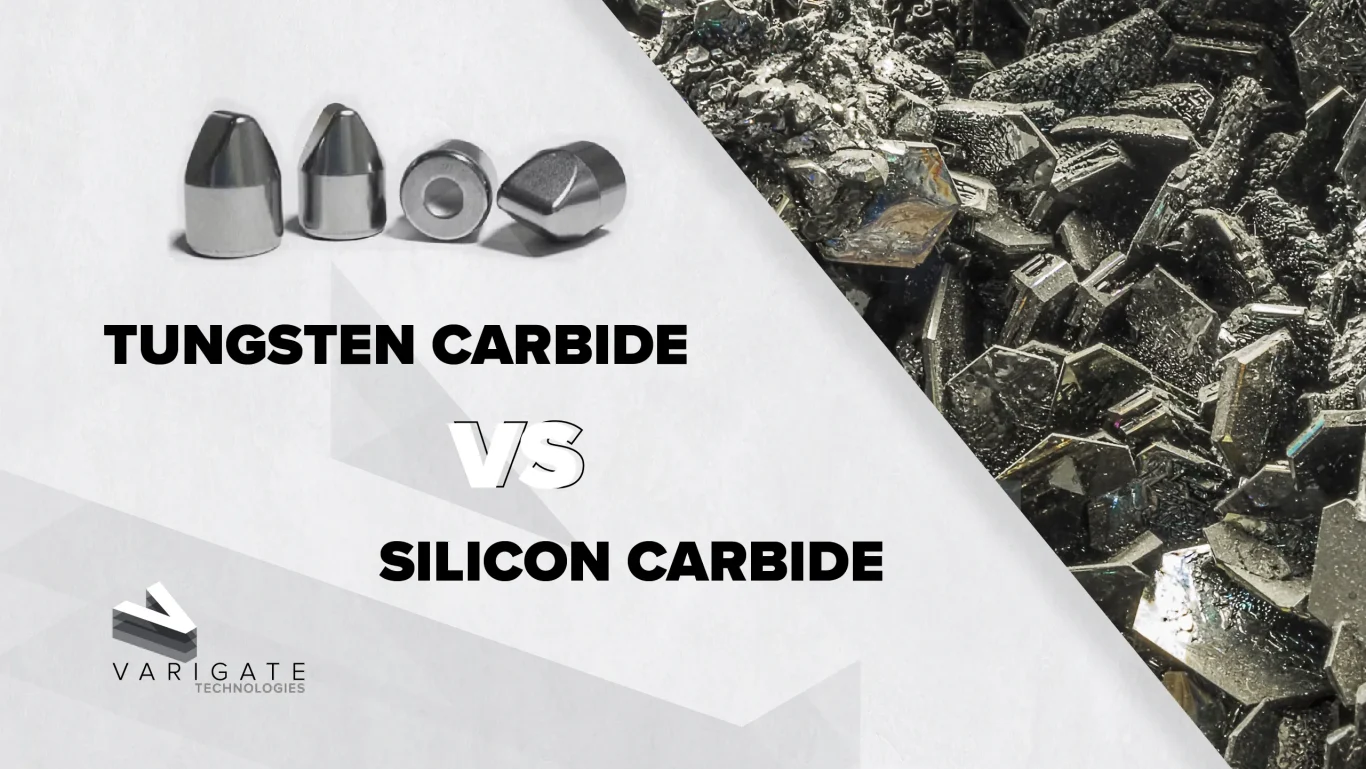
Disc springs are precision-engineered mechanical components designed to manage high loads, maintain consistent force, and accommodate movement within industrial systems.
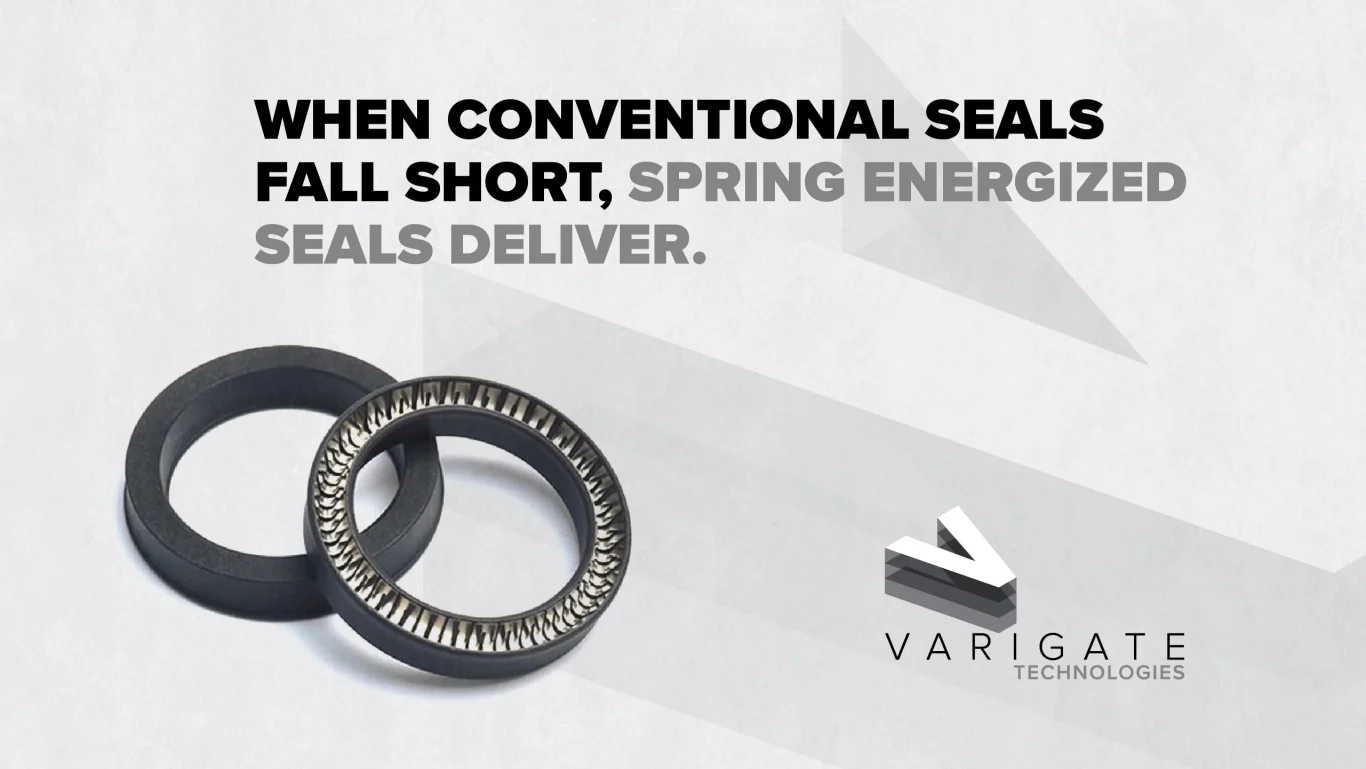
Disc springs are precision-engineered mechanical components designed to manage high loads, maintain consistent force, and accommodate movement within industrial systems.

Disc springs are precision-engineered mechanical components designed to manage high loads, maintain consistent force, and accommodate movement within industrial systems.
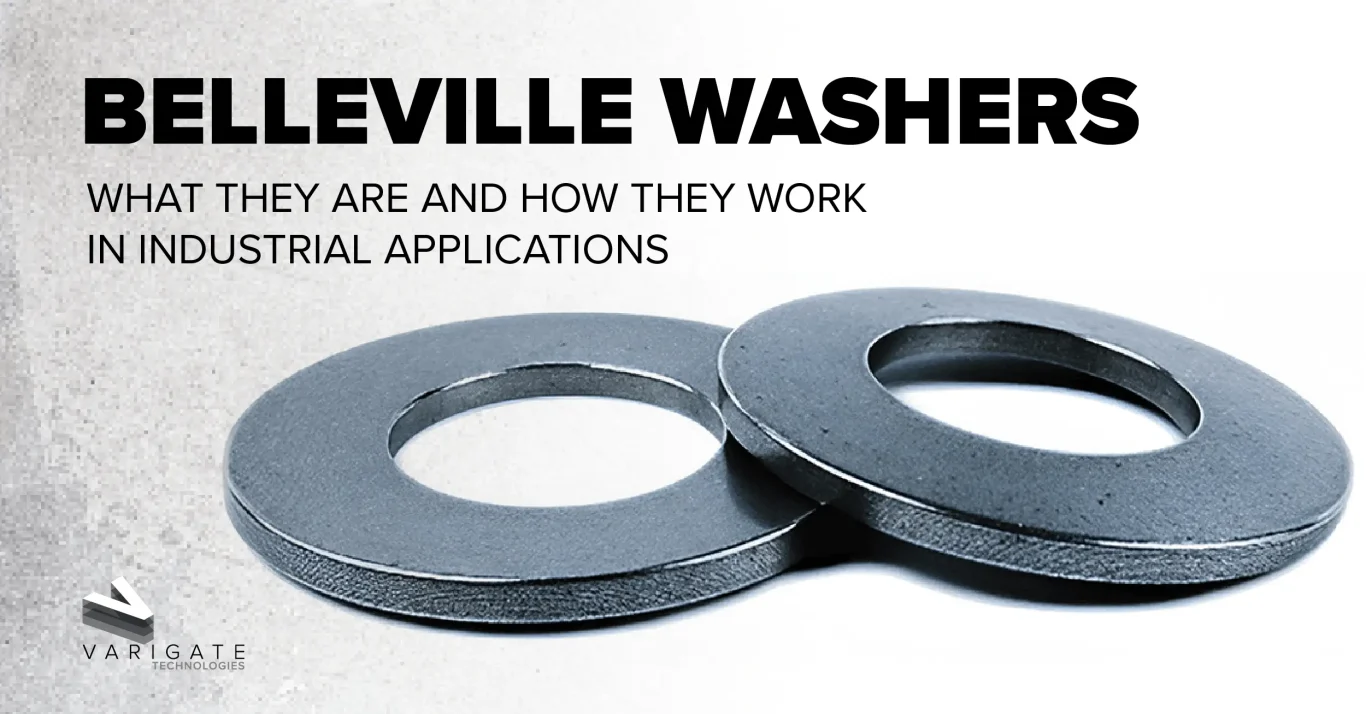
Belleville washers play a quiet but essential role in keeping industrial equipment operating safely and consistently.
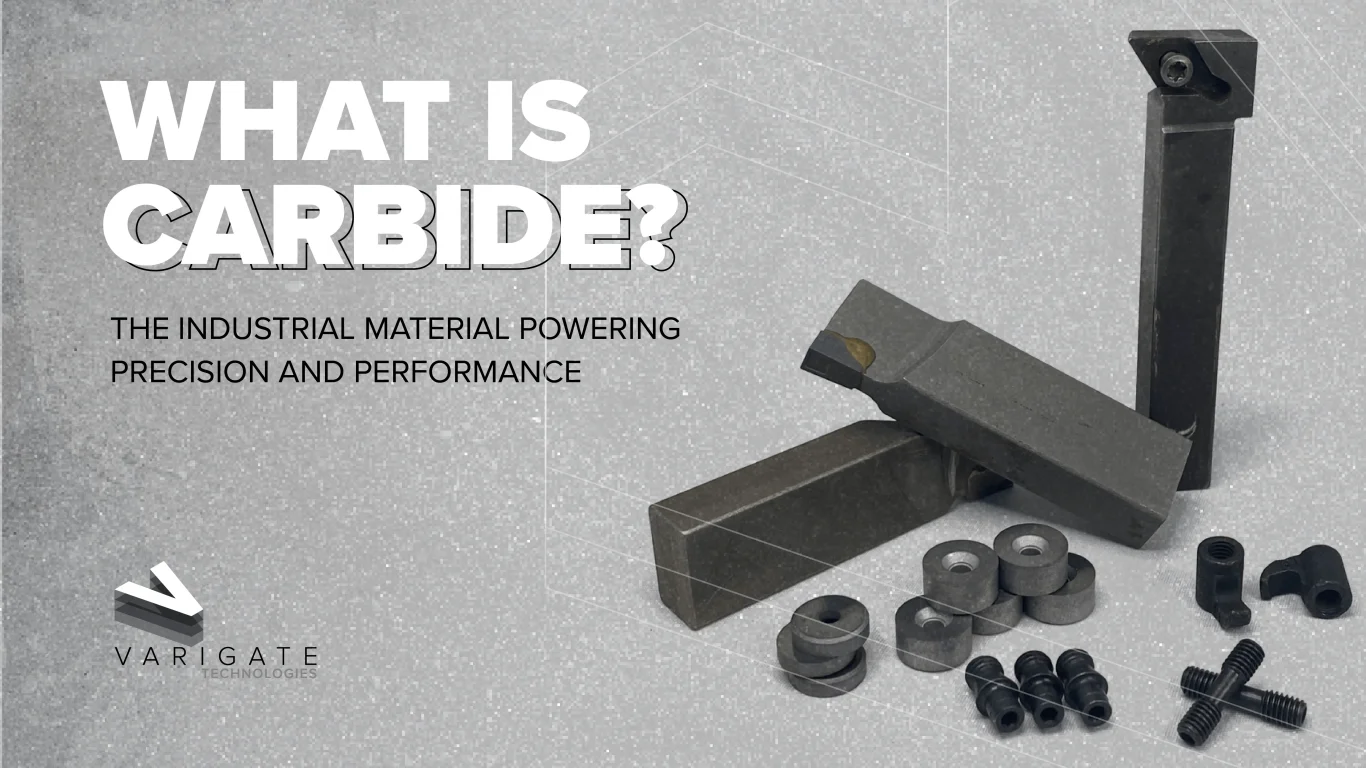
In industrial manufacturing, few materials have influenced progress as significantly as carbide.
Seal rings may be small, but they are essential to the reliability and efficiency of industrial equipment.

Snap rings are a type of fastener designed to secure components onto a shaft or inside a bore.

Ceramic materials are reshaping the future of industrial applications. These advanced components deliver unparalleled strength, durability, and reliability where it matters most.

When it comes to high-heat environments, few materials can match the reliability and performance of polyimide tape.
Carbide is a highly durable and wear-resistant material, valued across industries for its strength and precision. Carbide ranges from 4.0 to 6.0 on the Mohs scale, placing it among the hardest materials found in industrial applications.